
In today’s fast-paced digital world, having a robust online presence is crucial for any business, especially small businesses. Digital marketing offers a cost-effective way to reach a larger audience, engage with potential customers, and drive sales. But what exactly is digital marketing, and how can small businesses leverage it to grow? This guide will walk you through the basics of digital marketing, including SEO, PPC, content marketing, and social media, and provide actionable tips to help you get started.
Importance of Digital Marketing for Small Businesses
Digital marketing is no longer a luxury; it’s a necessity. For small businesses, it offers several advantages:
- Cost-effectiveness: Compared to traditional marketing methods, digital marketing is more affordable and offers a higher ROI.
- Reach and engagement: With digital marketing, you can reach a global audience and engage with them in real time.
- Measurable results: Digital marketing allows you to track and measure the effectiveness of your campaigns, making it easier to optimize your strategy.
What is Digital Marketing?
Digital marketing encompasses all marketing efforts that use the internet and electronic devices. It includes a variety of channels such as search engines, social media, email, and websites to connect with current and potential customers.
Why Digital Marketing is Essential for Small Businesses
For small businesses, digital marketing offers several key benefits:
- Cost-effectiveness: Digital marketing allows small businesses to compete with larger companies on a more level playing field.
- Targeted advertising: You can target specific demographics, interests, and behaviors, ensuring your marketing efforts reach the right audience.
- Real-time analytics: Digital marketing provides real-time data and analytics, allowing you to see what’s working and what isn’t, and make adjustments accordingly.
SEO for Small Businesses
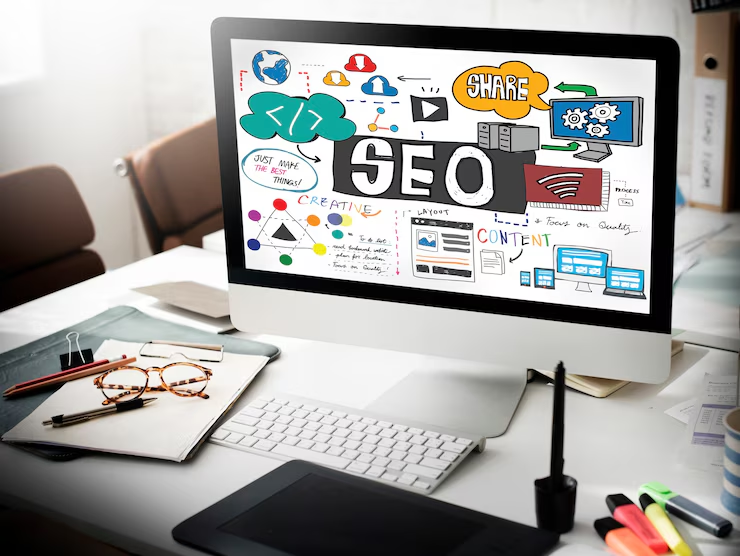
Basics of SEO (Search Engine Optimization)
SEO, or Search Engine Optimization, is the process of optimizing your website to rank higher in search engine results pages (SERPs). This increases the visibility of your website and attracts more organic (non-paid) traffic.
Keyword Research and Optimization
Keyword research is the foundation of any successful SEO strategy. Here’s how to get started:
- Identify your target keywords: Use tools like Google Keyword Planner or SEMrush to find keywords relevant to your business.
- Optimize your content: Incorporate your target keywords naturally into your website content, including headings, meta descriptions, and image alt text.
Local SEO for Small Businesses
Local SEO is crucial for small businesses targeting customers in a specific geographic area. Here are some tips:
- Optimize your Google My Business listing: Ensure your business name, address, and phone number (NAP) are accurate and up to date.
- Encourage customer reviews: Positive reviews on Google and other platforms can boost your local SEO rankings.
- Use local keywords: Incorporate local keywords (e.g., “digital marketing for small businesses in New York”) into your website content.
SEO Services for Small Businesses
When should you consider hiring an SEO expert? If you’re struggling to improve your search rankings or don’t have the time to manage SEO yourself, it might be time to seek professional help. Look for SEO services that offer:
- Experience with small businesses: Ensure the provider understands the unique challenges and opportunities faced by small businesses.
- Transparent reporting: Regular updates and clear metrics to track your progress.
A survey by Search Engine Journal found that 49% of marketers report that organic search has the best ROI of any marketing channel. This highlights the cost-effectiveness of SEO for small businesses.
PPC (Pay-Per-Click) Advertising
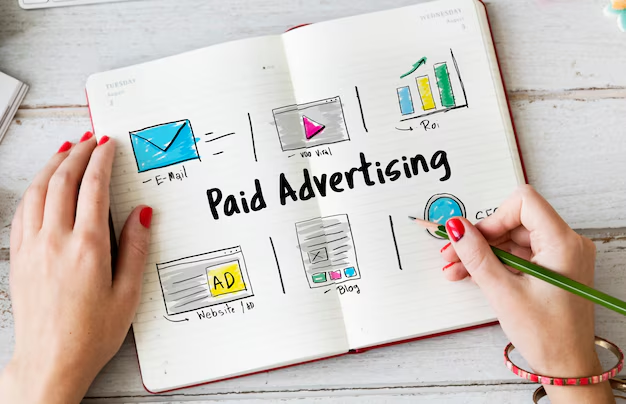
PPC, or Pay-Per-Click, advertising allows businesses to display ads on search engines and other platforms. You pay a fee each time someone clicks on your ad. PPC is a powerful tool for driving targeted traffic to your website quickly.
Setting Up Your First PPC Campaign
Here’s how to get started with PPC:
- Choose the right platform: Google Ads is the most popular, but consider other options like Bing Ads or social media platforms.
- Create effective ads: Write compelling ad copy that includes your target keywords and a strong call to action.
- Budgeting and bidding: Set a daily budget and choose your bidding strategy (e.g., cost-per-click, cost-per-impression).
Monitoring and Optimizing PPC Campaigns
To get the most out of your PPC campaigns, you need to continuously monitor and optimize them. Here are some tips:
- Track performance: Use analytics tools to track key metrics like click-through rate (CTR), conversion rate, and return on ad spend (ROAS).
- A/B testing: Experiment with different ad copy, images, and targeting options to see what works best.
- Adjust bids: Regularly review and adjust your bids to ensure you’re getting the best possible ROI.
Small businesses that use PPC advertising allocate 35-45% of their marketing budgets to digital advertising, with a significant portion dedicated to PPC. For every $1 spent on Google Ads, businesses earn an average revenue of $2, making PPC a highly cost-effective marketing strategy .
Content Marketing

Content marketing involves creating and sharing valuable content to attract and engage your target audience. This can include blog posts, videos, infographics, and more.
Creating a Content Marketing Strategy
To create an effective content marketing strategy:
- Identify your target audience: Understand who your audience is and what they’re interested in.
- Plan and schedule content: Develop a content calendar to ensure a consistent posting schedule.
Types of Content to Create
There are various types of content you can create to engage your audience:
- Blog posts: Informative and engaging articles that provide value to your audience.
- Videos: Short videos that showcase your products or share helpful tips.
- Infographics: Visually appealing graphics that present information in an easy-to-digest format.
Measuring Content Marketing Success
To measure the success of your content marketing efforts, track the following metrics:
- Traffic: The number of visitors to your website.
- Engagement: The number of likes, shares, and comments on your content.
- Conversions: The number of visitors who take a desired action, such as signing up for a newsletter or making a purchase.
According to a study by HubSpot, companies that prioritize blogging efforts are 13 times more likely to see positive ROI (Return on Investment) from their marketing efforts.
Social Media Marketing for Small Businesses
Social media marketing involves using social media platforms to promote your products or services. It’s an effective way to reach a large audience and engage with potential customers.
Creating a Social Media Strategy
To create an effective social media strategy:
- Set goals and objectives: Determine what you want to achieve with your social media efforts.
- Identify the right platforms: Choose the social media platforms that are most popular with your target audience.
- Plan and schedule content: Develop a content calendar to ensure a consistent posting schedule.
Engaging Your Audience
To engage your audience on social media:
- Create engaging posts: Share content that is interesting, informative, and relevant to your audience.
- Interact with followers: Respond to comments and messages in a timely manner.
Measuring Social Media Success
To measure the success of your social media marketing efforts, track the following metrics:
- Followers: The number of people who follow your social media accounts.
- Engagement: The number of likes, shares, and comments on your posts.
- Conversions: The number of followers who take a desired action, such as visiting your website or making a purchase.
Email Marketing
Email marketing involves sending promotional emails to a list of subscribers. It’s an effective way to stay in touch with your audience and promote your products or services.
Building an Email List
To build an email list:
- Offer incentives: Provide something of value, such as a discount or free eBook, in exchange for signing up.
- Use sign-up forms: Place sign-up forms on your website and social media profiles.
Creating Effective Email Campaigns
To create effective email campaigns:
- Segment your list: Group your subscribers based on their interests and behaviors.
- Write compelling emails: Use engaging subject lines and persuasive copy.
Measuring Email Marketing Success
To measure the success of your email marketing efforts, track the following metrics:
- Open rate: The percentage of recipients who open your emails.
- Click-through rate: The percentage of recipients who click on links in your emails.
- Conversions: The number of recipients who take a desired action, such as making a purchase.
Conclusion
In this guide, we’ve covered the basics of digital marketing for small businesses, including SEO, PPC, content marketing, and social media. Here are some final tips to help you get started:
- Start small: Focus on one or two digital marketing channels to begin with, and expand as you gain experience.
- Be consistent: Consistency is key to building a strong online presence.
- Measure and optimize: Regularly track your performance and make adjustments as needed.
Getting Started with Digital Marketing
To get started with digital marketing:
- Set clear goals: Determine what you want to achieve with your digital marketing efforts.
- Develop a strategy: Create a plan for how you will achieve your goals.
- Take action: Start implementing your strategy and track your progress.