
In today’s digital age, having a robust online presence is crucial for the success of hotels and restaurants. Digital marketing offers a powerful way to increase footfall, enhance brand visibility, and engage with customers. This blog post will explore how digital marketing strategies, particularly email and social media marketing, can help hotels and restaurants attract more visitors and boost their business.
Digital Marketing for Hotels & Restaurants
What is Digital Marketing?
Digital marketing refers to the use of online channels to promote products and services. For hotels and restaurants, this means leveraging the internet to reach potential customers, build brand awareness, and drive more footfall to their establishments.
Benefits of Digital Marketing for Hospitality Businesses:
- Increased Reach: Reach a wider audience beyond your local area.
- Cost-Effective: More affordable than traditional marketing methods.
- Targeted Advertising: Reach specific demographics based on interests, location, and behavior.
- Measurable Results: Track the performance of your campaigns and adjust strategies in real-time.
- Enhanced Customer Engagement: Interact with customers through various online platforms.
Key Digital Marketing Strategies for Hotels & Restaurants
To succeed in digital marketing, it’s essential to have a comprehensive plan that covers various strategies. Here are some key strategies to consider:
- Search Engine Optimization (SEO): Improve your website’s visibility on search engines to attract organic traffic.
- Content Marketing: Create valuable content that attracts and engages your audience.
- Pay-Per-Click (PPC) Advertising: Use targeted ads to reach potential customers.
- Social Media Marketing: Engage with customers on platforms like Facebook, Instagram, and Twitter.
- Email Marketing: Build and maintain relationships with customers through email campaigns.
- Online Reputation Management: Monitor and manage online reviews to maintain a positive image.
Local SEO for Hotel & Resturants
Importance of Local SEO for Hotels & Restaurants
Local SEO (Search Engine Optimization) is a crucial aspect of digital marketing for hotels and restaurants. It helps businesses appear in local search results, making it easier for potential customers to find them. Local SEO focuses on optimizing your online presence to attract more business from relevant local searches.
Benefits of Local SEO:
- Increased Visibility: Appear in local search results and Google Maps.
- Targeted Traffic: Attract customers who are searching for services in your area.
- Higher Conversion Rates: Local searches often have higher intent, leading to more conversions.
- Competitive Advantage: Stand out among local competitors.
Optimizing Your Website for Local SEO
To optimize your website for local SEO, follow these best practices:
- Include Location Keywords: Use location-specific keywords in your website content, meta descriptions, and tags. For example, “best Italian restaurant in [City]”.
- Create Location Pages: If you have multiple locations, create separate pages for each one with unique content and local keywords.
- Optimize for Mobile: Ensure your website is mobile-friendly, as many local searches are conducted on mobile devices.
- Add Schema Markup: Use schema markup to provide search engines with detailed information about your business, such as address, phone number, and operating hours.
- Get Local Backlinks: Build relationships with local bloggers, businesses, and influencers to get backlinks from local websites.
Setting Up and Optimizing Your Google My Business (GMB) Listing
Google My Business (GMB) is a free tool that allows businesses to manage their online presence on Google, including Search and Maps. A well-optimized GMB listing can significantly enhance your local SEO efforts.
Steps to Set Up and Optimize Your GMB Listing:
- Claim Your Listing:
- Visit the Google My Business website.
- Sign in with your Google account and search for your business.
- If your business is listed, claim it; if not, add your business.
- Complete Your Profile:
- Provide accurate and complete information about your business, including name, address, phone number, website, and business hours.
- Write a compelling business description that includes relevant keywords.
- Add Photos and Videos:
- Upload high-quality photos of your restaurant or hotel, including the exterior, interior, food, rooms, and amenities.
- Add videos to give potential customers a virtual tour of your establishment.
- Collect and Respond to Reviews:
- Encourage satisfied customers to leave positive reviews on your GMB listing.
- Respond to all reviews, both positive and negative, to show that you value customer feedback.
- Use GMB Features:
- Utilize GMB posts to share updates, promotions, events, and news.
- Enable messaging to allow customers to contact you directly through your GMB listing.
- Use the Q&A feature to answer common questions from potential customers.
- Monitor Insights:
- Regularly check the insights provided by GMB to understand how customers find your listing and interact with it.
- Use this data to refine your local SEO strategy and improve your online presence.
Tips for Maintaining Your GMB Listing:
- Keep Information Updated: Ensure your business information is always up-to-date, including holiday hours and special events.
- Post Regular Updates: Use GMB posts to keep customers informed about new offerings, promotions, and events.
- Monitor and Respond to Reviews: Actively engage with customers by responding to their reviews and addressing any concerns.
Email Marketing for Restaurants
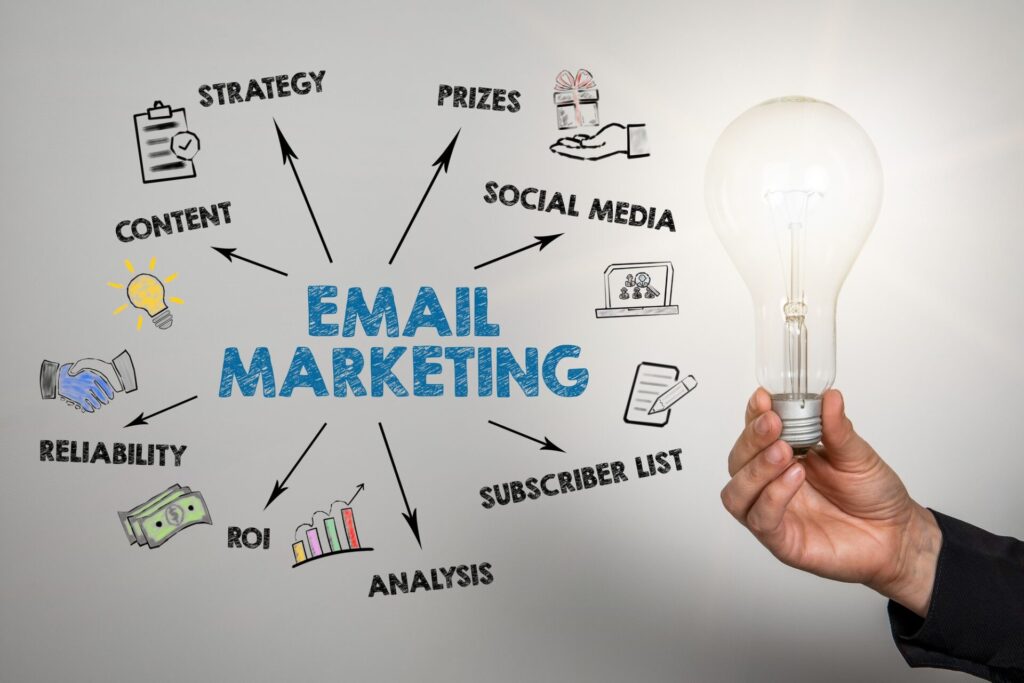
Email marketing involves sending promotional messages to a group of people via email. For restaurants, it can be an effective way to keep customers informed about new menu items, special offers, and events.
Benefits of Email Marketing for Restaurants:
- Direct Communication: Reach customers directly in their inboxes.
- Cost-Effective: Low cost compared to other marketing channels.
- Personalization: Tailor messages to individual customers based on their preferences.
- Increased Customer Retention: Keep customers engaged and coming back.
Building an Email List
To run successful email marketing campaigns, you need a quality email list. Here are some strategies to collect customer emails:
- Website Sign-Up Forms: Include sign-up forms on your website to capture visitor emails.
- In-Store Sign-Ups: Encourage customers to sign up for your email list while dining.
- Social Media Promotions: Use social media to promote your email sign-up incentives.
- Loyalty Programs: Offer loyalty programs that require customers to provide their email addresses.
Creating Effective Email Campaigns
Crafting engaging email content is key to a successful email marketing strategy. Here are some tips:
- Compelling Subject Lines: Write subject lines that grab attention and encourage opens.
- Personalized Content: Use customer data to personalize emails.
- Clear Calls to Action (CTAs): Include clear and concise CTAs to guide readers to take action.
- Attractive Design: Ensure your emails are visually appealing and mobile-friendly.
Analyzing Email Marketing Performance
To optimize your email campaigns, it’s important to track their performance. Key metrics to monitor include:
- Open Rates: The percentage of recipients who open your email.
- Click-Through Rates (CTR): The percentage of recipients who click on links within your email.
- Conversion Rates: The percentage of recipients who take the desired action, such as making a reservation.
- Bounce Rates: The percentage of emails that could not be delivered.
Social Media Marketing for Restaurants

Social media marketing involves using social media platforms to promote your restaurant and engage with customers. It’s an effective way to build a loyal customer base and attract new patrons.
Benefits of Social Media Marketing:
- Increased Brand Awareness: Reach a large audience and increase visibility.
- Customer Engagement: Interact with customers through comments, messages, and reviews.
- Targeted Advertising: Use social media ads to reach specific demographics.
- Real-Time Feedback: Get immediate feedback from customers and adjust your strategies accordingly.
Creating a Social Media Strategy
A well-defined social media strategy is essential for success. Here are some steps to create one:
- Identify Your Target Audience: Understand who your customers are and what they like.
- Choose the Right Platforms: Focus on platforms where your audience is most active.
- Set Goals and Objectives: Define what you want to achieve with your social media efforts.
- Create a Content Calendar: Plan and schedule your posts in advance to ensure consistency.
Content Ideas for Social Media
Creating engaging content is crucial for keeping your audience interested. Here are some content ideas:
- Photos and Videos: Share high-quality images and videos of your dishes, restaurant ambiance, and events.
- Promotions and Discounts: Announce special offers and discounts to attract customers.
- Behind-the-Scenes: Give a glimpse of your kitchen, staff, and daily operations.
- User-Generated Content: Encourage customers to share their dining experiences and feature their posts on your page.
Running Social Media Campaigns
To launch successful social media campaigns, follow these steps:
- Define Your Campaign Goals: Determine what you want to achieve, such as increasing followers or promoting a new menu item.
- Create Engaging Content: Develop creative and appealing content that resonates with your audience.
- Use Hashtags: Utilize relevant hashtags to increase the reach of your posts.
- Monitor and Adjust: Track the performance of your campaigns and make necessary adjustments to improve results.
Measuring Social Media Success
To measure the success of your social media efforts, focus on these key performance indicators (KPIs):
- Engagement Rate: The level of interaction your posts receive, such as likes, comments, and shares.
- Reach and Impressions: The number of people who see your posts and how often they see them.
- Follower Growth: The increase in your social media followers over time.
- Website Traffic: The amount of traffic driven to your website from social media.
Case Studies and Examples
Success Stories
Case Study 1: A Local Restaurant’s Social Media Triumph A local restaurant increased its footfall by 30% through a well-executed social media campaign. They used Instagram and Facebook to showcase their new menu items and engage with customers. The use of high-quality images and user-generated content played a significant role in their success.
Case Study 2: A Hotel’s Email Marketing Strategy A boutique hotel saw a 20% increase in bookings by implementing a targeted email marketing strategy. They segmented their email list based on customer preferences and sent personalized offers and promotions. This approach resulted in higher open and conversion rates.
Lessons Learned
Key Takeaways:
- Engage with Your Audience: Consistent interaction with customers builds loyalty and encourages repeat visits.
- Use High-Quality Visuals: Attractive images and videos capture attention and drive engagement.
- Personalize Your Marketing: Tailored content resonates better with your audience and leads to higher conversion rates.
- Monitor and Adjust: Continuously track the performance of your campaigns and make data-driven adjustments to improve results.
Conclusion
Digital marketing offers hotels and restaurants a powerful way to increase footfall and boost their business. By implementing strategies such as email marketing and social media marketing, you can engage with customers, build brand awareness, and drive more visitors to your establishment. Start leveraging these digital marketing techniques today to see a significant impact on your hotel’s or restaurant’s success.
Additional Resources
- Tools:
- Brevo for email marketing
- Hootsuite for social media management
- Google Analytics for tracking website traffic